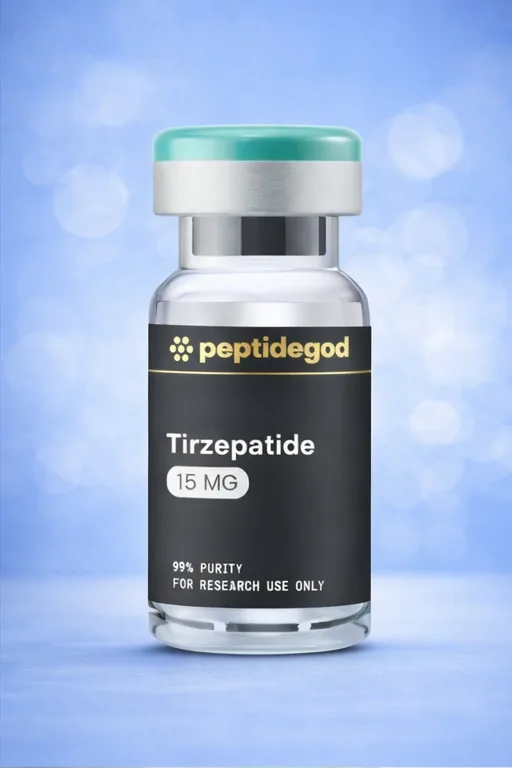
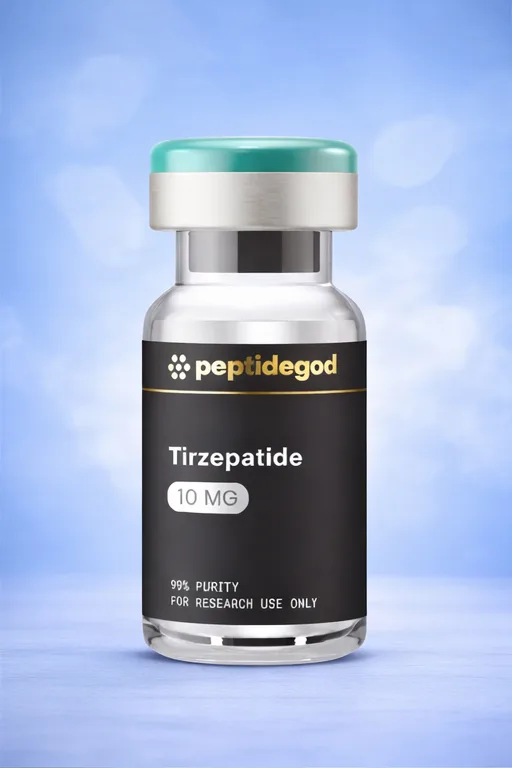
Is Compounded Tirzepatide for Sale Legal? What You Should Know
Understanding Compounded Tirzepatide and Why It Exists
Tirzepatide is a dual glucose-dependent insulinotropic polypeptide (GIP) and glucagon-like peptide-1 (GLP-1) receptor agonist approved by the FDA under the brand name Mounjaro for type 2 diabetes and Zepbound for chronic weight management. Because demand for these medications surged dramatically after their approvals, supply shortages became widespread across the United States. In response, compounding pharmacies began producing tirzepatide as a legally recognized alternative during the shortage period, creating significant confusion among patients about what is and is not permissible under federal and state law.
Compounding is a longstanding pharmaceutical practice in which licensed pharmacies prepare customized medications for individual patients when a commercial product is unavailable, unsuitable due to allergies, or requires a dose not offered in a standard formulation. When the FDA places a drug on its official shortage list, Section 503A and 503B of the Federal Food, Drug, and Cosmetic Act permit certain compounding activities that would otherwise be restricted.
The FDA Shortage List and Its Direct Effect on Legality
Tirzepatide was added to the FDA's drug shortage list in 2022 and remained there for an extended period, which is the key legal mechanism that allowed compounding pharmacies to produce it. While a drug sits on the shortage list, both traditional 503A compounding pharmacies serving individual patients and larger 503B outsourcing facilities can legally prepare that compound. Once the FDA declares that a shortage has been resolved, however, that authorization ends, and continued compounding of the same drug in bulk becomes a violation of federal law.
In early 2025, the FDA announced it had determined that the shortage of tirzepatide had been resolved. This decision triggered a phase-out period during which compounders were given time to wind down production. For patients and providers searching for tirzepatide for sale through compounding channels, this timeline matters enormously, because obtaining compounded tirzepatide after the sunset of the shortage exemption exposes both the pharmacy and, in some interpretations, the prescribing provider to regulatory risk.
What Distinguishes a Legal Compound from an Illegal One
Pharmacy Licensure and Oversight
A legally compounded tirzepatide product must originate from a state-licensed pharmacy operating under a valid prescription from a licensed prescriber. The compound must be prepared using active pharmaceutical ingredients (API) sourced from FDA-registered facilities. Pharmacies operating as 503B outsourcing facilities face additional scrutiny, including mandatory registration with the FDA and adherence to current good manufacturing practice (cGMP) standards. A compound that uses tirzepatide base or a salt form not approved by the FDA as an acceptable API is considered adulterated regardless of whether a shortage exists.
Tirzepatide Salts and the Acetate Controversy
Many compounders began producing tirzepatide acetate or tirzepatide citrate rather than the base form used in Mounjaro and Zepbound. The FDA has stated clearly that these salt forms are not the same active ingredient as the approved drug, and therefore cannot be considered permissible compounds even during an active shortage. Patients encountering tirzepatide for sale labeled as an acetate or citrate formulation should treat this as a significant red flag regarding both legality and safety.
How Patients Can Evaluate a Compounding Pharmacy
Before obtaining any compounded medication, patients should verify that the pharmacy holds an active license in their state and, if it operates as an outsourcing facility, that it appears on the FDA's 503B registered outsourcing facility list. Patients should ask for a certificate of analysis for each batch, which documents independent third-party testing for potency, sterility, and the absence of contaminants. Legitimate compounders welcome this request. Any online source marketing tirzepatide for sale without requiring a valid prescription, offering international shipping, or pricing the medication far below market rates should be avoided entirely, as these are common indicators of illegitimate operations that may supply counterfeit or adulterated products.
The Path Forward for Patients Relying on Compounded Tirzepatide
With brand-name supply stabilizing, most patients who were using compounded tirzepatide during the shortage period will need to transition to Mounjaro or Zepbound. Manufacturer savings programs, patient assistance programs offered by Eli Lilly, and prior authorization through insurance are the primary avenues for making the brand-name products financially accessible. Patients with documented medical needs for a genuinely customized formulation, such as an alternative delivery method due to a physical impairment, may still qualify for compounding under 503A rules with a patient-specific prescription.
Consulting with an endocrinologist or obesity medicine specialist is the most reliable way to navigate these regulatory changes. Providers in these specialties are tracking FDA guidance in real time and can advise on legally compliant treatment options that do not put patients at risk of receiving an unsafe or unapproved product.
Key Takeaways on Compounded Tirzepatide Legality
- Compounding was permitted during the FDA-declared shortage period but that authorization has since been phased out for most compounders.
- Tirzepatide salt forms such as acetate and citrate were never considered legally equivalent to the approved drug.
- Only 503A pharmacies with a valid patient-specific prescription or registered 503B facilities may legally compound tirzepatide under narrow remaining conditions.
- Purchasing from any source that does not require a prescription or that ships internationally carries serious legal and health risks.
- Transitioning to brand-name Mounjaro or Zepbound through proper channels is the safest and most legally sound option for the majority of patients.